International
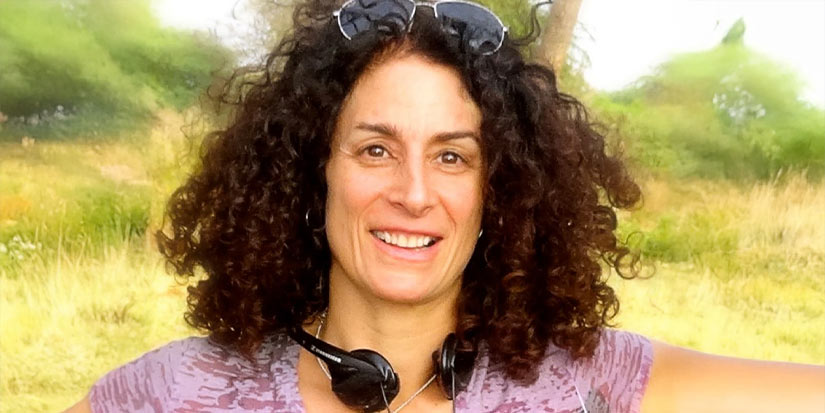
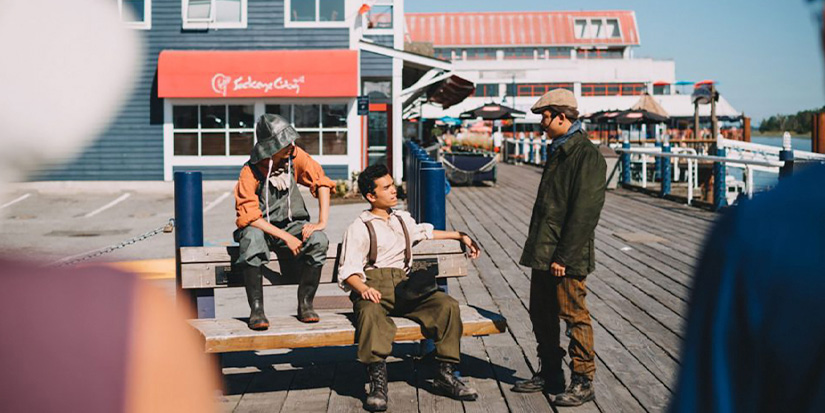
Alison Reid, Director, Producer
Photo courtesy Free Spirit Films
“The Art of Adventure” two famous Canadians journey the world

Published 4:22 PDT, Wed June 17, 2026
Last Updated: 5:02 PDT, Wed June 17, 2026


-
“The Art of Adventure” two famous Canadians journey the world
Canadian director and producer Alison Reid (AR) has built a reputation for creating compelling documentaries that blend adventure, science, and human stories. Her latest film, ”The Art of Adventure” follows two beloved Canadian naturalists, Robert Bateman and Bristol Foster. While Bateman is internationally renowned for his wildlife art, Foster is a respected biologist and conservationist. Together, they embarked on an extraordinary journey around the world in the late 1950s, a story brought vividly to life through remarkable archival footage and personal reflections.
OCT: Your film is amazing, and the footage is mesmerizing.
AR: Robert and Bristol are truly lovable, and that is exactly why I made this documentary. You can’t help but fall in love with both of them.
OCT: Besides their charming personalities, what inspired you to tell this story?
AR: I actually met them through the subject of my previous film, ”The Woman Who Loves Giraffes”, which was about a pioneering giraffe scientist often referred to as the Jane Goodall of giraffes. Her name was Anne Innis Dagg. Anne was part of the same friendship circle as Robert Bateman and Bristol Foster at the University of Toronto in the 1950s.
OCT: When audiences watch this remarkable film and see this historical adventure unfold through archival footage, what do you hope they take away from the experience?
AR: Bristol gave us an incredible gift. When he and Robert travelled around the world in their twenties, Bristol filmed much of the journey on a Bolex camera. That footage provides a genuine time capsule into what the world looked like before so much of it became commercialized. This was also before Robert became a famous artist. Yet he was sketching and painting throughout the entire trip, so the film includes artwork that had rarely, if ever, been seen publicly. I think what both Robert and Bristol—and all of us involved in the film—hope people take away is inspiration to connect with nature. That connection has guided both of them throughout their lives and is ultimately why they became so passionate about protecting the natural world. Robert expressed that through his artwork, while Bristol did it through science and conservation. Their message is simple: get outside, explore this amazing planet, and appreciate its beauty.
OCT: Their adventure was extraordinary. They visited 19 countries and travelled approximately 50,000 miles between May 1957 and November 1958. When you spent time with Robert and Bristol, what did you learn personally from their experiences?
AR: There is so much that I learned from them. Generally speaking, they are both incredibly optimistic people. They don’t dwell on the past or focus on what they lack. Instead, they ask, “What can we do with what we have?” As Robert says in the film, he has never lost a single night’s sleep worrying about the state of the planet. He believes worrying is useless, but taking action is useful. I think both men have demonstrated through example that you should follow what comes naturally to you. Whether your passion is painting, science, conservation, or something entirely different, there is a way to contribute positively and live in harmony with this beautiful world.
OCT: Today they both live on Salt Spring Island, not far from one another, remaining close friends after all these years. That alone is remarkable. If you could revisit one scene from the documentary, is there one that impacted you most?
AR: I honestly can’t choose just one, but I can tell you about two. During the interviews, I always tried to place Robert and Bristol in natural settings because that’s where they feel most at home. What struck me was how often they would stop mid-conversation to point something out in nature. They would suddenly say, “Did you hear that tree frog?” or “Did you hear that bird?” They were so deeply attuned to the environment around them. There is one scene in the film where we’re discussing the state of the planet and a raven can be heard calling overhead. Bristol pauses and says, “The raven is giving us advice right now.” It’s a funny and genuinely heartfelt moment, and it remains one of my favourites.
The second scene comes near the end of the film. Robert and Bristol are both in their nineties now, and they speak very candidly about aging and mortality. In this sequence, they walk together down a hillside path toward a beautiful bench overlooking the landscape. Most people don’t realize that the location is on Salt Spring Island, overlooking Robert’s property and Ford Lake below. What makes the scene so powerful is the contrast it creates. Throughout the documentary, we see them as adventurous twenty-year-olds travelling the globe, full of youthful energy and curiosity. Then we see them decades later, walking with canes as older men. Physically, they have changed, but their spirit has not. That scene reminds us that while time alters our bodies, it doesn’t have to diminish our sense of wonder. They remain the same adventurous souls they were all those years ago, and that realization always moves me.
The Art of Adventure is a moving celebration of friendship, curiosity, conservation, and the enduring power of connecting with the natural world. Through rare archival footage and the wisdom of two remarkable Canadians, the film reminds us that adventure is not simply about where we travel—it is about how we experience the world around us.
















2 Hours of free financial consulting
Jai Xin Planning Ltd.
C$120.00 C$0.00

Use any of our home staging service and get a second month rental for free!
MiiX Interiors
C$500.00 C$0.00

Get 10% off any order
Phantom Screens Lower Mainland
C$200.00 C$180.00